

On the first night after Hamameyat was liberated, Monqeth Al Hassan returned home.
He knew his house had been destroyed. He knew the area had been on the frontline for years. Still, he packed his tent, which had been his home for years, and went back.
"I can't explain how much I missed my town," he says. "I knew my house was gone, but I wanted to be here."
Monqeth is the Community Leader of Hamameyat, a small community in Syria's Hama governorate in West Syria. Before the conflict, families cultivated olive trees, fruit orchards and crops that supported themselves and the local economy.
Today, much of that land is contaminated by explosive ordnance after 14 years of armed conflict.
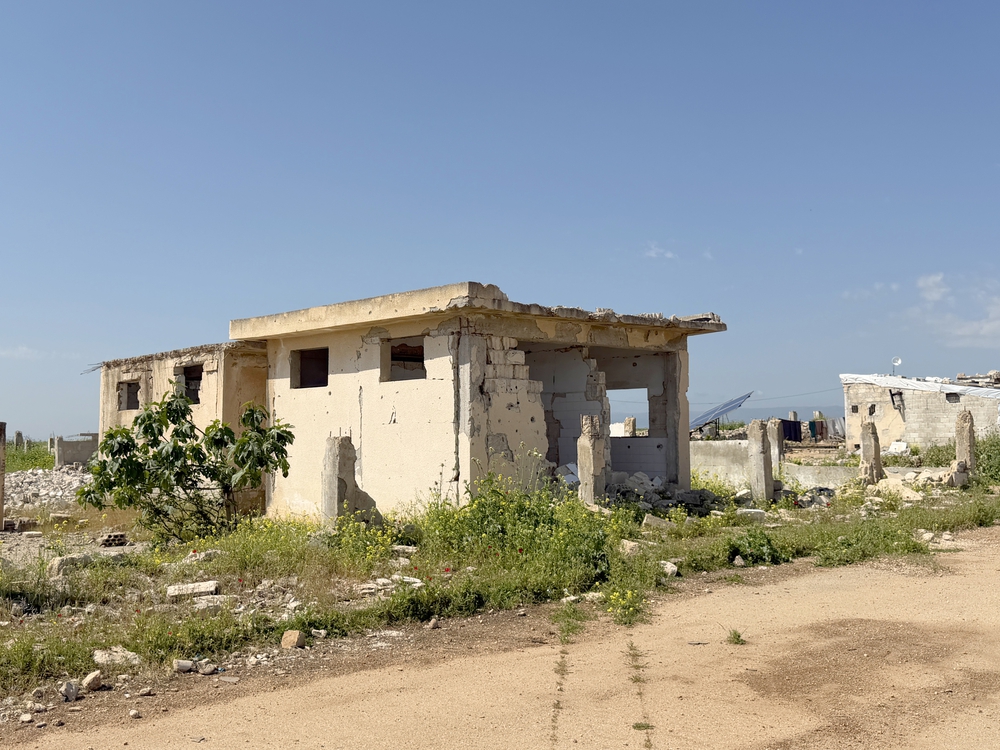
Between 2013 and 2019, airstrikes and clashes forced residents to flee to camps in Idlib governorate. When they began returning, they found homes reduced to rubble, inaccessible fields and damaged or contaminated community buildings. In some locations, human remains were found beneath collapsed structures, alongside booby traps hidden under debris.
"We came back to a destroyed area," Monqeth says. "People wanted to return immediately. Nobody was thinking about the danger waiting for them."
For many, there was no other option.
Hamameyat had long sat on a strategic route towards the city of Hama. During the conflict, forces established military positions on the hill overlooking the community, while roads, agricultural fields, residential areas, the cemetery, the school and areas around the mosque were reportedly mined with improvised unexploded devices.
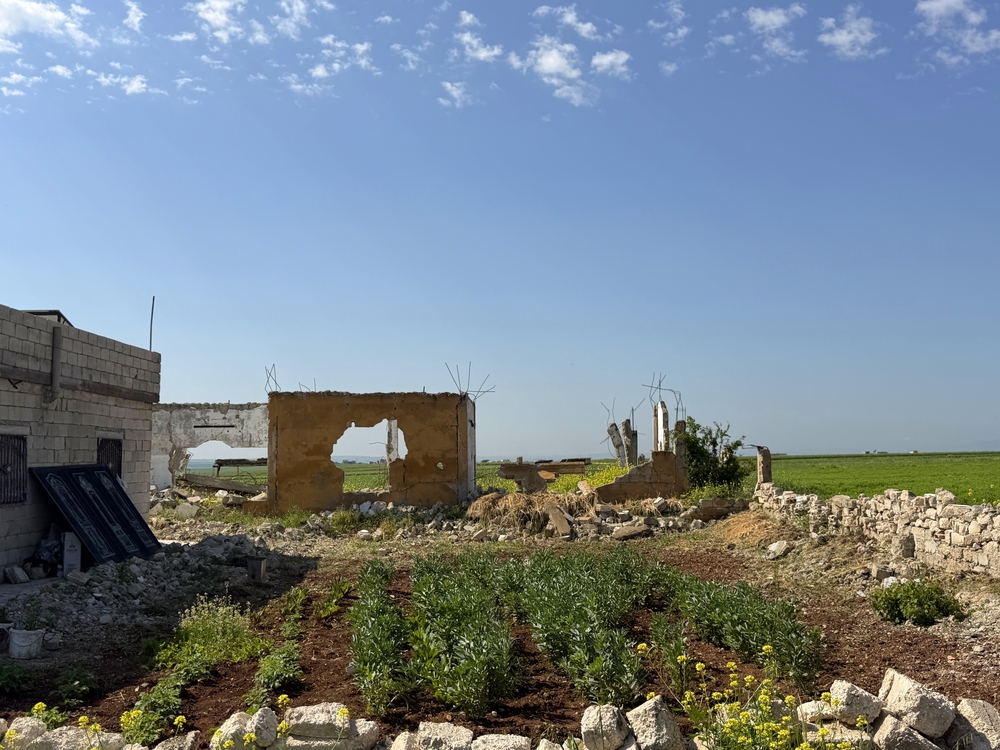
The consequences continue to shape daily life. According to MAG's Community Liaison Manager, Fatima Abdelhamid, people are often forced to take risks to earn an income.
"People are trying to live with the contamination," she says. "Many have no choice. They need to feed their families, farm their land and find ways to survive.
"People take risks because they need an income. Farmers need to farm. Others collect scrap metal to earn money. Sometimes they know the dangers, but they feel they have no alternative."
In Hamameyat, residents report deaths, injuries and the loss of livestock. Anti-personnel mines, anti-vehicle mines, unexploded ordnance, cluster munition remnants and booby traps have all been found in the area. Some residents have even bought basic detectors and attempted to clear explosive items themselves, often with tragic consequences.
For Monqeth, risk education is key:
"The contamination is everywhere. It cannot all be cleared in one day.
Until that happens, education is our shield, especially for children,”
Monqeth, Community LeaderHamameyat, 2026
Fatima and her team work with communities to help people recognise threats and adopt safer behaviours. They run sessions for farmers, children, scrap metal collectors and returnees, as well as visiting schools and conducting house-to-house outreach.
"We cannot tell people not to go home," Fatima says. "What we can do is help them return more safely and understand the risks around them."
Sometimes, the impact is immediate. Fatima recalls a young girl who was finally allowed to play outside after hazardous items near her home had been identified and cleared.
"She came running to us and said, 'Now I can play outside,'" Fatima remembers. "For me, those moments show why this work matters."
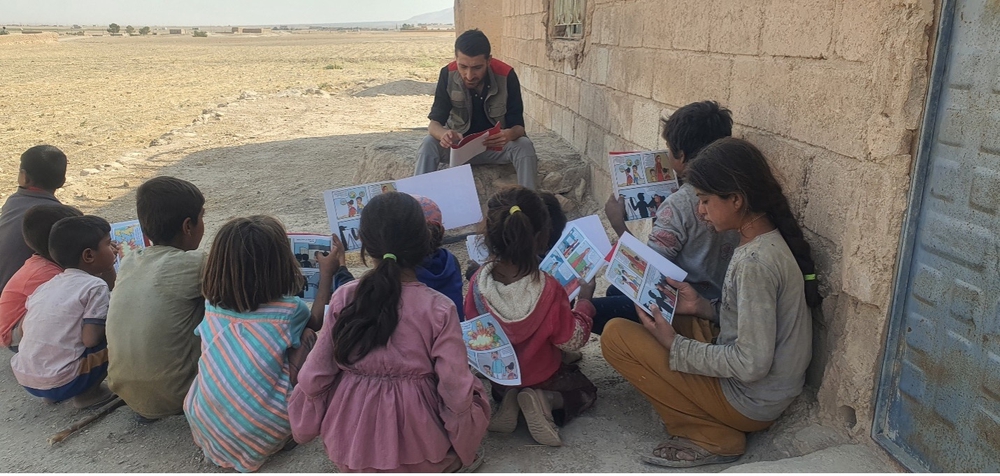
MAG began operating in Hamameyat earlier this year, where community liaison teams have conducted surveys, delivered explosive ordnance risk education sessions and identified multiple hazardous areas requiring further action.
Monqeth dreams of seeing Hamameyat return to what it once was, with families working their fields and children playing safely outside.
Fatima shares a similar vision for the country: "I want to see a Syria free from explosive hazards," she says. "A Syria where parents don't worry every day about their children being injured. A Syria where people can move freely, rebuild their lives and smile again."
Until then, MAG remains committed to doing everything possible to help families like those in Hamameyat return home safely, rebuild their lives, and live freely.


