

Digital tools are playing an increasingly vital role in how MAG reaches communities affected by explosive ordnance.
In Iraq, teams are using a Facebook Messenger chatbot to deliver explosive ordnance risk education sessions directly to people’s phones.
The sessions guide users through interactive scenarios and quizzes, helping them learn how to recognise suspicious items, adopt safe behaviour, and report dangers through official channels such as the free hotline.
Designed in simple, accessible language, the session is suitable for all ages and education levels.
Supported by the German Federal Foreign Office, the digital sessions have reached thousands of people – and continue to encourage timely reporting of explosive hazards.
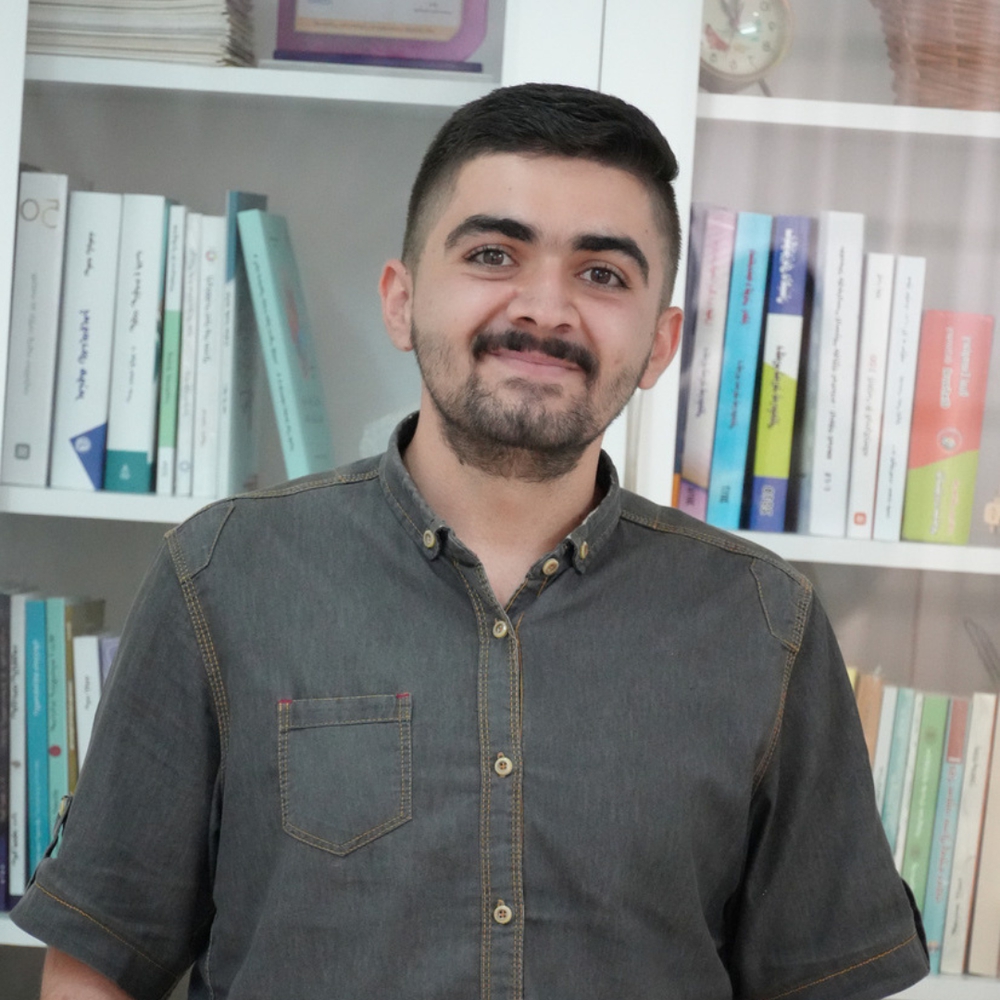
One such report came from Dyar Khalid Majid (pictured), a 21-year-old mechanical engineering student from Chamchamal in the Kurdistan Region of Iraq.
After completing the digital session, Dyar later came across a photo in a local Facebook group showing a suspicious object near Sirwan Lake – a popular area for residents and tourists.
Instead of approaching the object, Dyar followed the guidance he had learned and reported the find by sending the photo to MAG Facebook page, triggering a rapid response.
MAG community liaison teams then gathered location details and coordinated with the Iraq Kurdistan Mine Action Authority, who deployed a technical team.
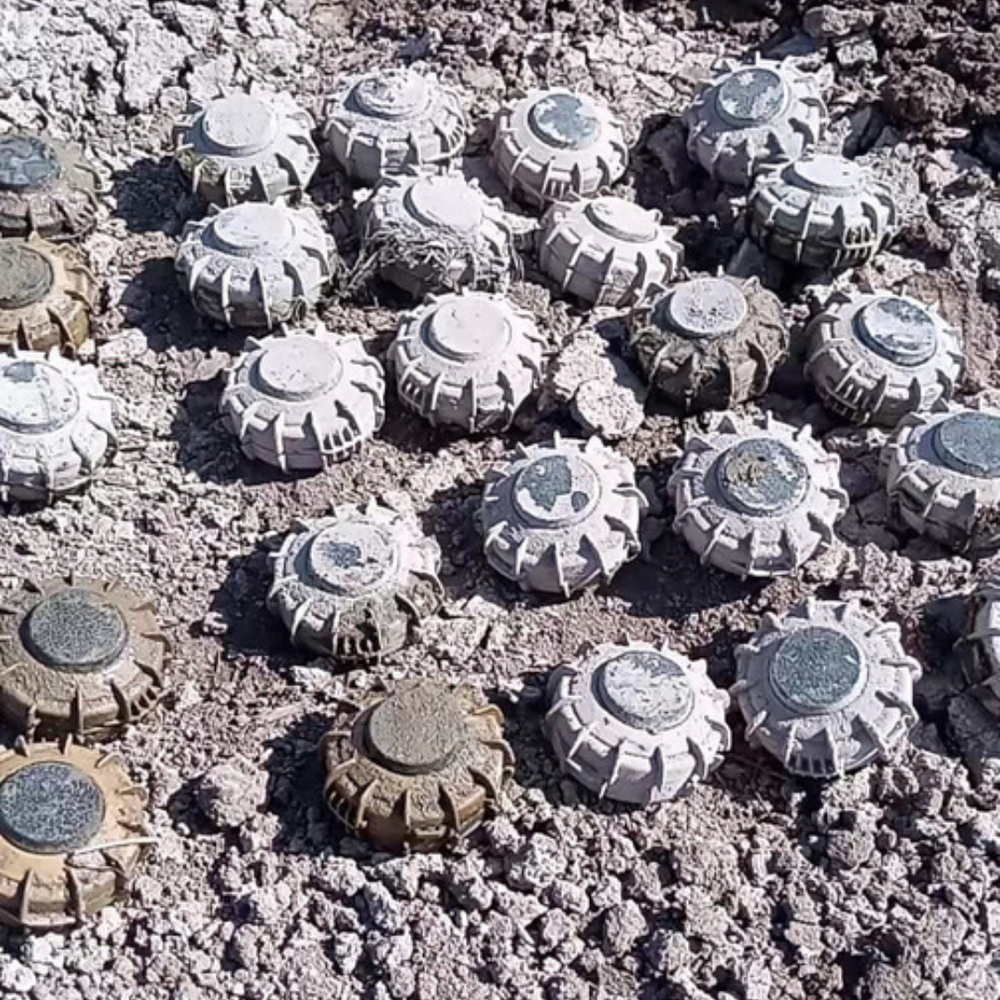
What initially appeared to be a single item was revealed to be a much larger threat: more than 25 landmines buried near the lake, in an area frequently visited during the summer months.
The site was successfully cleared and secured, and the threats were removed from the local community.
Speaking about the sessions, Dyar said: “The most important thing I learned was how to report. Before [doing the online session], I didn’t know who to contact or how to act if I saw something’s suspicious. I thought, if I went there myself, I could be the one to get hurt. So why would I let others be at risk? We’re human – we care about each other, it’s our duty to report.”
This case demonstrates how digital risk education is turning online awareness into fast, coordinated action on the ground.
By combining innovative technology, community engagement, and close collaboration with national authorities, MAG continues to ensure that information shared digitally leads to safer behaviour and lives protected.


