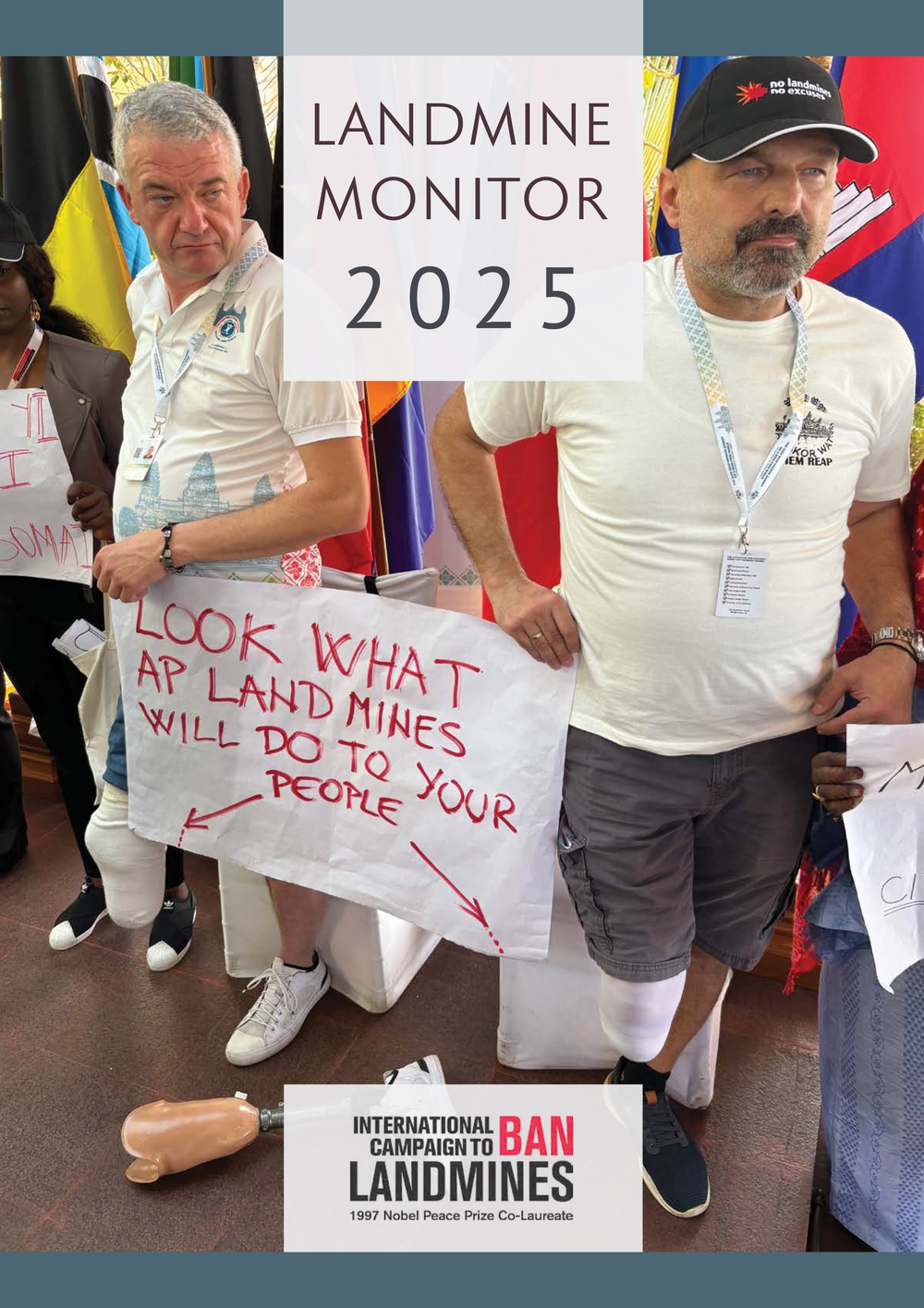

The 2025 Landmine Monitor – released today – reveals a sharp and deeply worrying rise in global casualties from landmines and explosive remnants of war, highlighting the urgent need for renewed international action to protect civilians.
In 2024, a total of 6,279 people were killed or injured by unexploded ordnance – the highest number recorded since 2020.
Civilians continued to bear the overwhelming burden of this violence. On average, 17 people were killed or injured every single day, almost half of them children.
People whose livelihoods rely on agriculture, herding, or collecting natural resources remained among the most exposed, as economic pressures pushed them into contaminated areas.
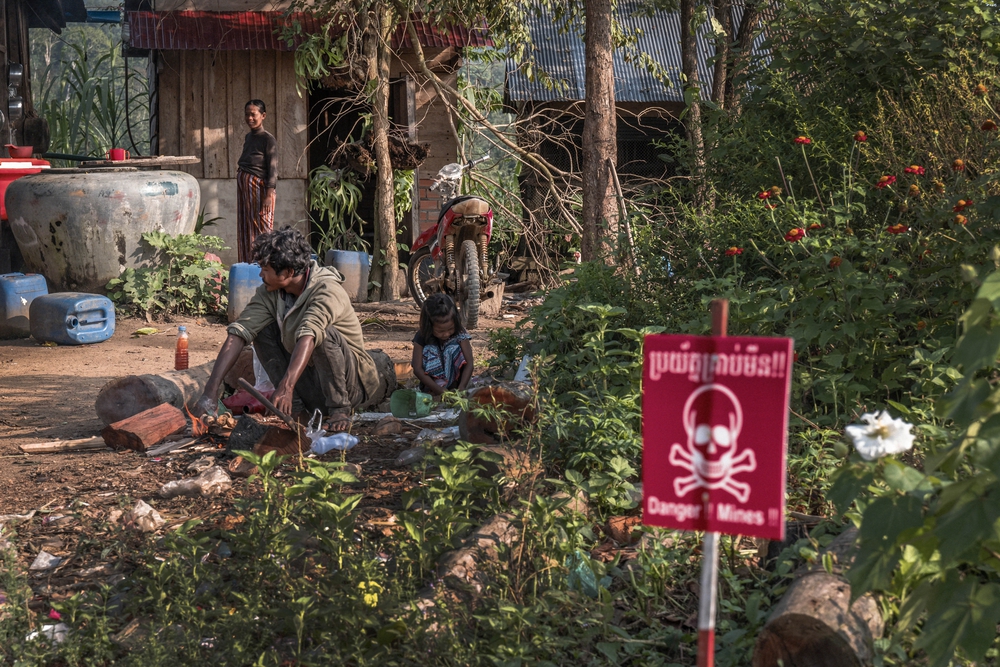
The report shows that Myanmar once again suffered the highest number of casualties, with 2,029 people killed or injured in 2024 – double the figure reported the previous year.
Syria recorded the second-highest total with 1,015 casualties, followed by Afghanistan with 624 and Ukraine with 293.
Victim-activated improvised mines remained the leading cause of harm, responsible for 2,077 casualties. Meanwhile, casualties from manufactured antipersonnel mines tripled compared to 2020, rising to 1,540 – the highest annual figure since 2011.
Two countries joined the treaty in 2025, bringing total membership to 166. Yet at the same time, Estonia, Finland, Latvia, Lithuania, and Poland have all initiated processes to withdraw, signalling a significant setback for the global norm against landmine use.
Progress in landmine clearance continued in many countries. In 2024, States Parties released 1,114 square kilometres of land – an area comparable to the size of Hong Kong – and destroyed 105,640 antipersonnel mines.
Despite these efforts, 57 countries and areas remain contaminated, and 32 States Parties still have active clearance deadlines. Only five countries have completed their clearance obligations since 2014, underscoring the need for sustained political will and resources to accelerate progress.
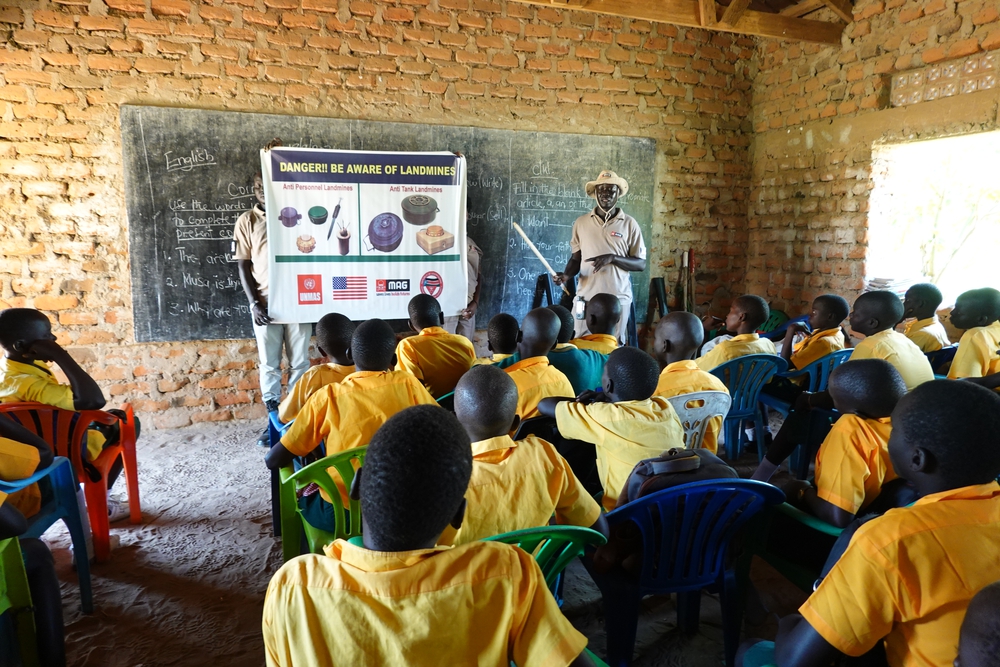
Risk education remains a critical component of mine action. Nearly all States Parties with clearance obligations carried out risk education activities.
Men and boys were identified as the most vulnerable due to economic-driven risk-taking, while high-risk groups continued to include agricultural and forest workers, herders, scrap-metal collectors, as well as internally displaced people and returnees.
As states, civil society, and experts gather this week at the 22nd Meeting of States Parties to the Mine Ban Treaty in Geneva, the findings of Landmine Monitor 2025 serve as a stark reminder of the work still to be done.
Darren Cormack, MAG’s Chief Executive, said: “The figures in the 2025 Landmine Monitor are deeply concerning. Landmines and unexploded ordnance are not just remnants of past conflicts; they are a present and deadly threat. This report is a stark reminder of just how vital the Mine Ban Treaty is – a cornerstone of global action that drives cooperation and achieves progress.
"With conflicts intensifying and casualties rising in many parts of the world, MAG will continue to do everything possible to advocate for the people we serve, encourage States Parties to honour their treaty commitments, and urge those not yet involved to join the global effort to create a world free of landmines.”
Read the full report here.